 |
| Updated: February 20, 2005 |
| This site and its contents are copyright (c) 2005 Dancing Cavy Productions. All photos are property of their owners and are used with permission. |
| Dogs in War |
| The Vietnam Conflict was not the first war to employ dogs as soldiers. Dogs have been used in wars since the beginning of time. The ancient Romans used war dogs and the Spanish armies used specially trained dogs to take down natives in South America during their colonization. The first modern war canines participated in was World War II. During WWII, the army used any breed of dog. They soon found out, however, that some dogs were better suited for war than others. |
| The Dogs of Vietnam |
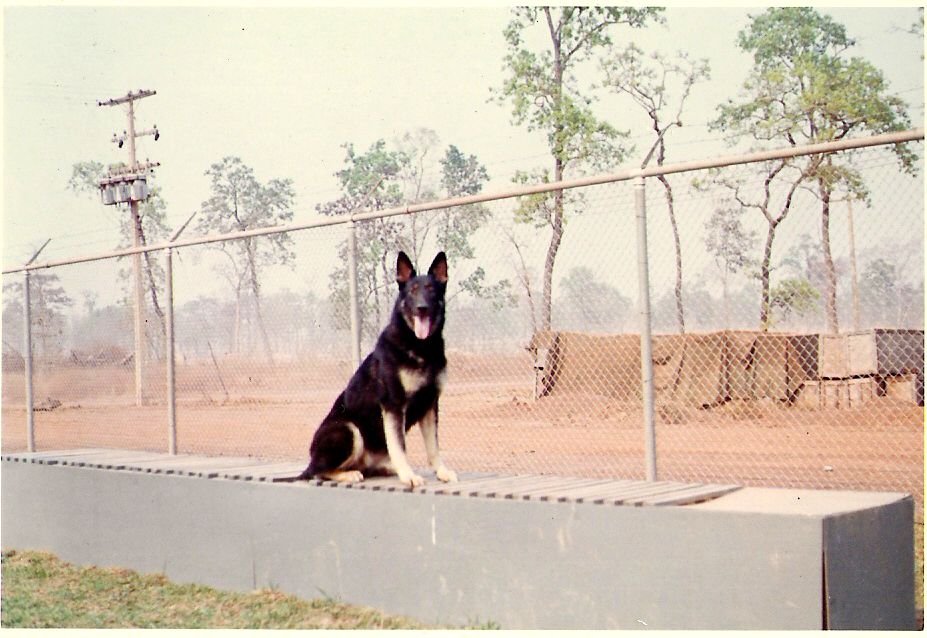
| Dogs in Vietnam were used for many different purposes. They used their keen senses to find dangers like ambushes, booby traps, and tripwires before they claimed lives. They were also used to set up ambushes, find downed pilots and runaway ambushers, caches of weapons, food, ammunition, and to guard the perimeter of military bases. The Vietnam War Dogs performed four main tasks: Scout Dogs: Scout dogs walked point in front of unit patrols. This was the most dangerous job for both dog and handler because they were the initial target. These dogs alerted their handlers to ambushes and booby traps. They were well-trained, obedient, and alert. Sentry Dogs: Sentry dogs defended the perimeter of military bases and were trained to kill. Tracker Dogs: Tracker dogs were docile canines that pursued fleeing ambushers and located lost soldiers and downed pilots. Water Dogs: Water dogs were trained to defend naval bases by sniffing out human scent underwater. They could smell the human scent in the air released by the Viet Cong using reeds or pieces of hose to breathe. The dogs could sniff out ambushes approximately 1,000 yards away on a good day before shots were fired and lives were lost. They could detect human scent on landmines, booby traps, and tunnels. The dogs could hear high-pitched sounds, like the sound of the wind blowing over tripwires. To indicate that they found something, the dogs would give an 'alert.' This was a silent warning that told the handler the dog had located something. The alert could be almost anything. Some dogs' hair stood on end, others crossed their ears, and some stood on their hind legs. The handler had to observe the dog's behavior very closely so not to miss the alert. When an alert was given, the area was checked out to see what the dog had found. |
| Breeds Used |
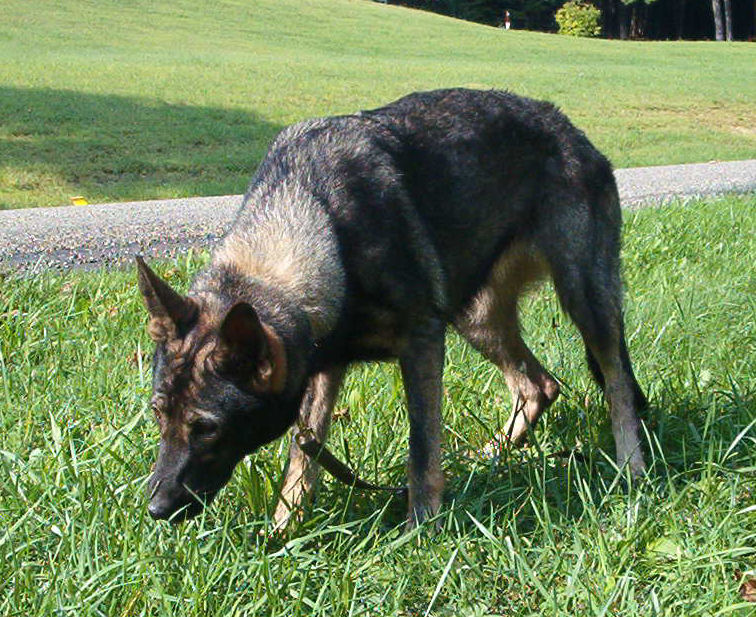
| Unlike previous wars where any breed of dog was used, the military discovered that certain dogs made better war dogs. German Shepherds: The German Shepherd was most suited for scouting and sentry work because of its size, temperment, working ability, and its adaptability to various climates and terrain. Labrador Retriever: The Labrador was used mostly as a tracker dog because of its excellent sense of smell and tracking ability. |
 |
| Training the War Dogs |
| Because the war dogs were so successful, they were requested by units all across Vietnam. However, there were not enough dogs to meet the demand. So the military began Canine Recruitment Drives where owners donated their beloved pets to the war. These dogs had to be changed from household pets into soldiers. They went through an intense 12-week training session, as did the handlers (most were trained in Fort Benning, GA but some were trained elsewhere). During the first 6 weeks, the dogs were taught basic obedience. The dogs ran obstacle courses and the handlers were taught how to care for their canine companions. By the time the first 5-6 weeks had passed, the dog and handler had bonded. The next six weeks of training were spent in an area like the bush in Vietnam. There the dogs were trained on scouting ambushes, tripwires, caches of weapons and supplies during both the daytime and nighttime. The handlers and their dogs stayed in this place all week living in tents and eating c-rations. Handlers learned how wind direction, terrain, and other things affected the alerts the dogs would give. After the dogs were trained, they were sent to Vietnam and paired up with partners that suited their personalities. |
| An Uncertain Fate for Our Heroes |
| When troops were withdrawn from Vietnam, the handlers were overjoyed--they were finally going home. They were also concerned about what would happen to the dogs they had become so attached to. The military destroyed the helicopters, tanks, and other equipment used in Vietnam. The dogs were considered 'equipment,' and all the heroic dogs were to be destroyed. "In the rush to leave Vietnam behind, these heroic canines were forgotten" (War Dogs: America's Forgotten Heroes). After the public heard about this, from stories the handlers had written and published, the military began to place some dogs in quarantine to be brought home. These dogs were checked for diseases and other health problems. Of the over 4,000 dogs that served their country in Vietnam, only 204 legally returned to the United States. Some dogs were smuggled home by their handlers. The reason only 204 dogs returned home safely is that the military determined the risk of disease was too great. They told the veterinarians that a law was passed that stated 'No animals were allowed from Vietnam.' There was no such law. The veterinarians were given two choices: they were to euthanize the dogs or hand them over to the South Vietnamese army. The army kept few records of the the war dogs, but more than 4,000 dogs and 10,000 handlers served their country in Vietnam. There would be a lot more than 50,000 names on the Vietnam War Memorial if it weren't for these courageous canines and their handlers. |
 |
| A Memorial |
| On February 1st, 2000, a monument was dedicated to the dogs and their handlers in the Field Air Museum in Riverside, California. A similar monument was dedicated in October 2000 in Fort Benning, GA. There are other monuments dedicated to war dogs throughout the United States. There is one in Hartsdale, NY dedicated to all services in World War I. There's another in Guam and the University of Tennesee dedicated to the Marines in World War II. The final one is in Port Neches, TX which is dedicated to all services in Vietnam. More information on the monuments can be found here and here. February 20th is National War Dogs Remembrance Day. |
|
|